Introduction
In an increasingly globalized world, the pursuit of worldwide careers has ended up being a common goal for lots of specialists. As people seek opportunities beyond their native borders, the significance of examining work experience becomes critical. The process of evaluating foreign work experience is not almost identifying qualifications however also about comprehending how these experiences line up with local industry requirements. This short article looks into the intricacies of work experience examination in the context of international professions, clarifying different associated elements such as academic credential examination, worldwide credential examination services, and skilled opinion letters.
Beyond Borders: Assessing Work Experience for International Careers
When thinking about a profession abroad, specialists typically deal with the overwhelming task of having their previous work experiences acknowledged by possible employers. Assessing this experience accurately requires a nuanced understanding of both regional expectations and international standards.
The Significance of Work Experience Evaluation
Work experience assessment plays a vital role in guaranteeing that people are examined relatively based on their abilities and knowledge rather than merely on their geographical origins. Companies are increasingly searching for prospects who possess pertinent skills that can be applied within their organizational frameworks.
Key Advantages of Work Experience Evaluation
Enhanced Employability: Candidates with validated worldwide work experiences can substantially boost their employability. Skill Recognition: Examination helps to acknowledge and validate skills obtained in various contexts. Cultural Competency: Comprehending diverse office cultures can offer candidates with a competitive edge. Streamlined Migration Processes: Accurate examinations might facilitate smoother immigration procedures.Understanding Academic Credential Evaluation
What is Academic Credential Evaluation?
Academic credential examination includes assessing the authenticity and equivalency of educational certifications gotten from organizations outside one's home nation. It acts as a critical tool for companies, universities, and licensing bodies to identify whether an applicant's qualifications meet recognized standards.
Types of Academic Credential Evaluations
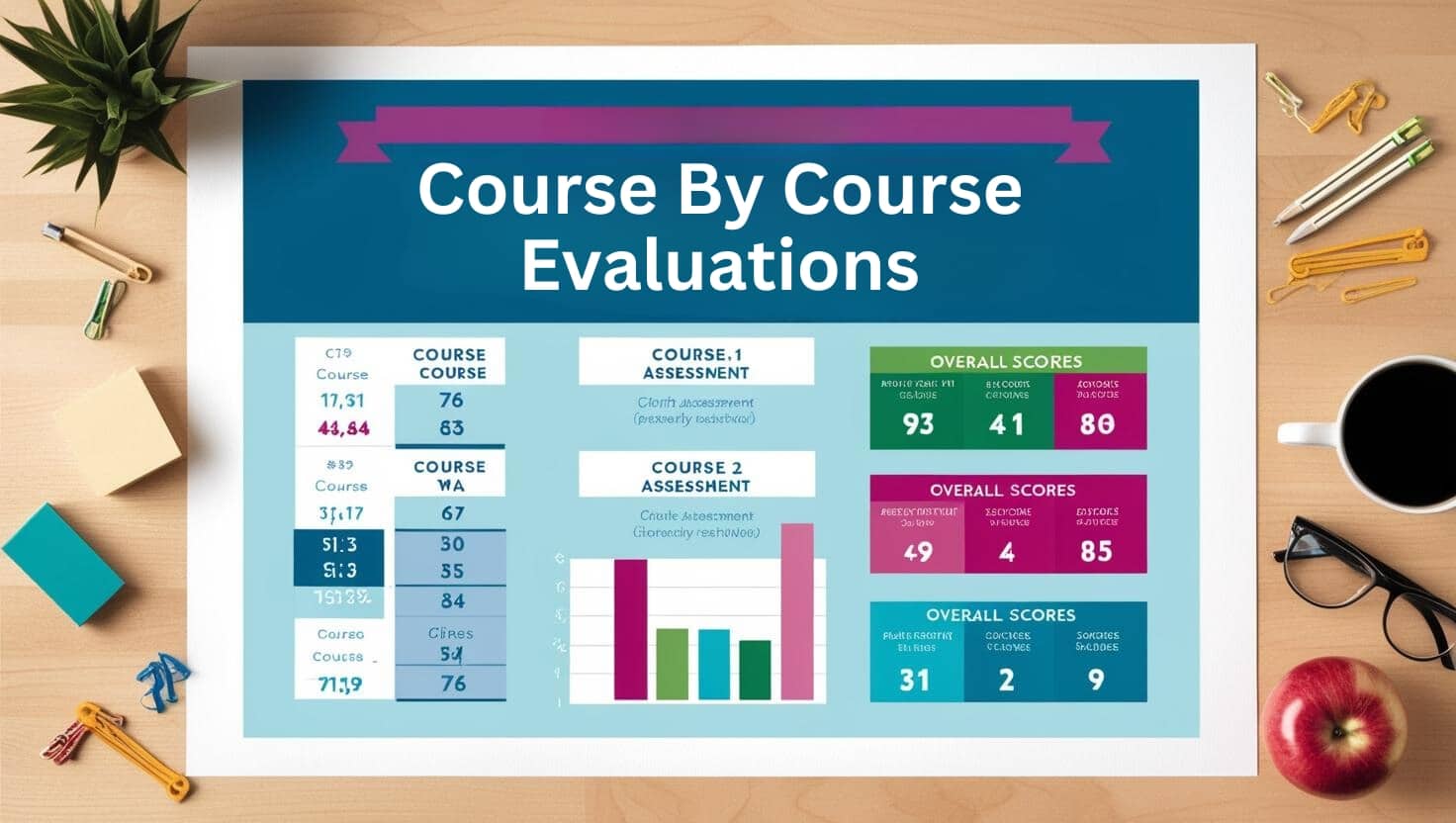
- Course-by-Course Credential Evaluation: This detailed kind evaluates each individual course taken by the prospect, supplying insights into particular scholastic performance. General Credential Evaluation: A wider evaluation that focuses on general educational certifications without diving into course specifics.
Why is Academic Credential Assessment Important?
Employers typically choose candidates whose academic backgrounds line up closely with local requirements. A scholastic credential evaluation supplies assurance regarding the quality and significance of foreign degrees or diplomas.
International Credential Assessment Services
What are Worldwide Credential Assessment Services?
These services concentrate on examining foreign qualifications to guarantee they meet local requirements. They play a vital role in assisting individuals browse complicated academic landscapes when looking for tasks or more education abroad.
Leading International Credential Evaluation Services
- Educational Credential Evaluators (ECE) World Education Solutions (WES) International Education Critics (IEE)
How to Pick the Right Service Provider?
When selecting an assessment service:
Check their accreditation status. Review client reviews and success stories. Understand their turn-around times and expenses involved.Course-by-Course Credential Evaluation Explained
Detailed Breakdown of Course-by-Course Evaluations
A course-by-course credential examination provides particular details about each course finished during a person's education, consisting of grades made and credit hours achieved.
Benefits of Course-by-Course Evaluations
- Allows companies to see accurate scholastic performance. Helps scholastic organizations determine transfer credits accurately. Provides comprehensive insights into a candidate's understanding base.
When is a Course-by-Course Evaluation Necessary?
This kind of examination is often needed when getting graduate research studies or specialized professional licenses where specific coursework is mandated.
Work Experience Assessment Process
Steps Associated with Work Experience Evaluation
Evaluating work experience generally involves several crucial steps:
Gathering paperwork from previous employers. Providing task descriptions that articulate functions and responsibilities. Obtaining referrals from managers or coworkers who can vouch for your contributions.Documentation Needed for Work Experience Evaluation
- Letters from previous companies detailing task roles. Performance evaluates highlighting achievements. Any appropriate accreditations or awards gotten throughout employment.
Role of Specialist Opinion Letters in Work Experience Evaluation
An expert viewpoint letter can function as an authoritative recommendation validating a person's skills and experiences within a certain field or industry.
The Role of Company Plan Assessments in Career Development
What is Organization Strategy Evaluation?
Business strategy examinations assess the viability and potential effect of company concepts developed by specialists aiming to establish themselves internationally.
Importance of Business Strategy Assessments for Entrepreneurs Abroad
Entrepreneurs seeking to launch ventures overseas can benefit immensely from assessments that provide vital insights into market practicality, competition analysis, and monetary projections.
Cultural Factors to consider in Work Experience Evaluation
Understanding Cultural Differences in Work Environments
Every country has its unique work environment culture which can influence how work experiences are viewed by local employers.
Adapting to New Cultural Norms in Expert Settings
Being aware of cultural subtleties improves interaction, cultivates much better team effort, and eventually leads to more reliable cooperation within multinational teams.
FAQs About Examining Work Experience for International Careers
1. What documents are generally required for work experience evaluation?
You will usually require letters from previous companies, task descriptions detailing your functions, referrals from coworkers or managers, performance reviews, and any appropriate accreditations you may have earned throughout your employment period.
2. How long does it take to get my qualifications evaluated?
The time required for credential examinations varies depending upon the service provider you select; it could vary anywhere from a couple of days to a number of weeks based upon their workload and your specific needs.
3. Can I appeal if I disagree with my examination results?
Yes! A lot of reputable assessment services use an appeals process where you can contest findings if you believe there was a mistake or oversight throughout the assessment phase.
4. Is it needed to have my scholastic credentials examined if I have comprehensive work experience?
While comprehensive work experience may sometimes make up for doing not have official education qualifications, numerous companies still require evidence through assessments to comprehend https://devineybv743.wpsuo.com/crafting-success-the-art-of-company-strategy-examination your academic background fully.
5. What impact does cultural proficiency have on worldwide profession prospects?
Cultural competency improves communication efficiency throughout diverse groups while fostering much deeper connections amongst associates-- this quality is highly valued by international organizations going for inclusive workplaces.
6. Are there any threats related to using unaccredited credential evaluators?
Yes! Making use of unaccredited services presents substantial threats as they might supply inaccurate evaluations which might threaten your opportunities at acquiring employment or advancing your education effectively abroad.
Conclusion
Navigating worldwide careers requires mindful consideration around how one's work experience is evaluated across borders. With proper understanding-- ranging from academic credential examinations through professional viewpoint letters-- individuals can successfully communicate their worth to possible companies worldwide. By acknowledging not only official credentials however likewise experiential knowing acquired through varied working environments, striving professionals can truly transcend verge on their career journeys.
This article lays out significant elements relating to evaluating work experiences worldwide while emphasizing key elements like scholastic credential assessments and professional opinions necessary for attaining success abroad at every stage-- from application procedures all the method through protecting significant positions lined up with specific knowledge within international markets today!